When you need a car moved across the UK, there are two main ways to do it: have a professional driver drive it, or carry it on a transporter. Each suits different vehicles and situations. This guide explains the difference so you can pick the right one with confidence.
The simple rule first
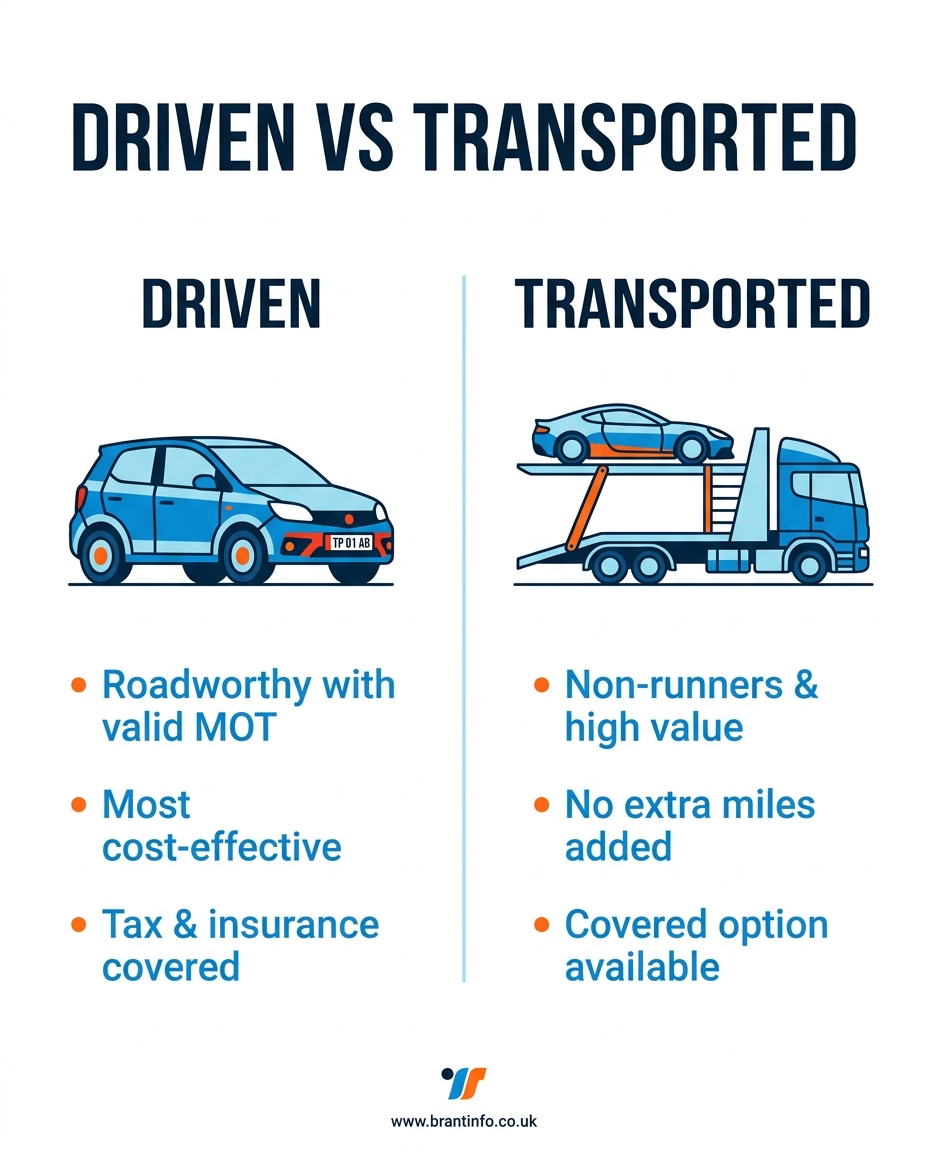
There is one rule that decides things straight away: to be driven, a vehicle must be roadworthy with a current MOT. If it is not, it is transported. Everything else is a judgement about cost, value and protection.
What “driven” means
Driven delivery uses a professional trade-plate driver who collects your car and drives it to its destination under trade plates. MDM has been doing this since 1990, with over 35 years of experience.
Tax is covered on driven jobs, the vehicle is fully insured in transit, and you still get a photo condition report at both collection and delivery plus instant proof of delivery.
When driven is the best choice
- The car is roadworthy and has a valid MOT
- You want the most cost-effective option for a running vehicle
- The vehicle is a standard car, van or LCV that is happy to cover road miles
- You need a straightforward point-to-point move without special handling
Things to weigh up
- The journey adds miles to the odometer, which usually does not matter for everyday cars but may matter for low-mileage or collectible vehicles
- The vehicle must genuinely be fit and legal to drive on the day
What “transported” means
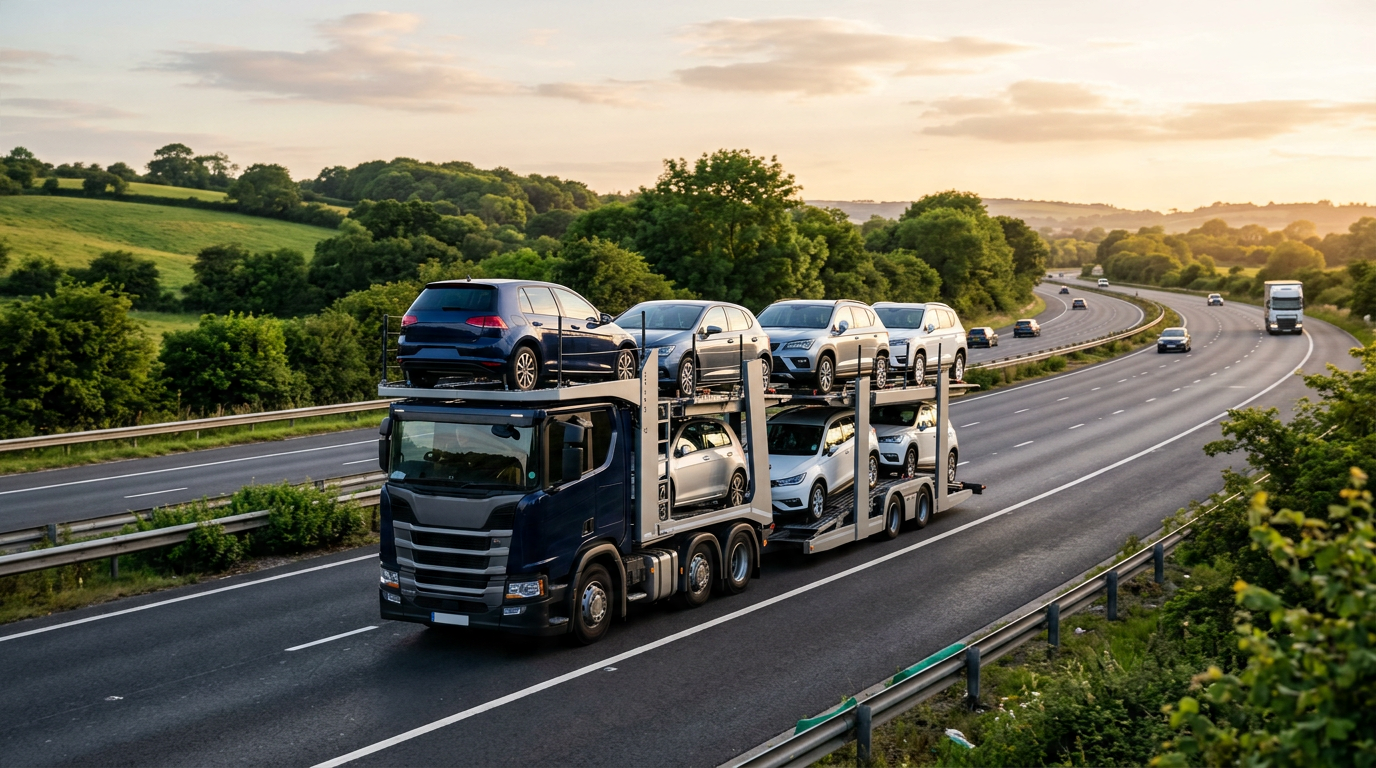
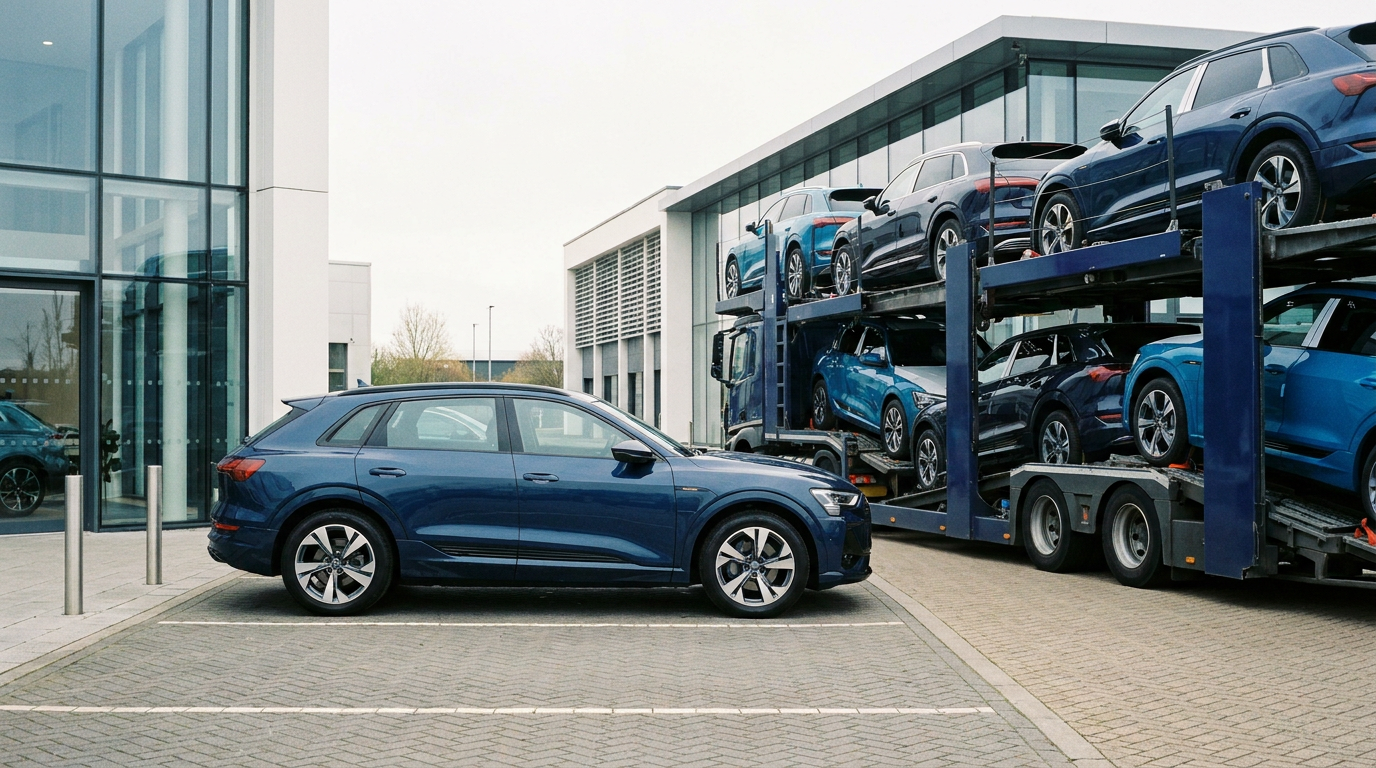
Transported delivery carries your vehicle on a transporter, so it covers the journey without being driven. This includes open transport and covered transport for extra protection.
When transported is the best choice
- The vehicle is a non-runner, off the road, or without a current MOT
- It is a high-value, prestige or performance car you want kept off the road
- You want no extra miles added to the odometer
- The vehicle is low to the ground or needs careful, equipment-assisted loading
- You want the protection of covered or enclosed carriage from weather and road debris
Things to weigh up
- Transport, especially covered transport, generally costs more than driving a roadworthy car
- A specific transporter and route may need a little more planning and notice
Side-by-side summary
| Consideration | Driven | Transported |
|---|---|---|
| Vehicle must be roadworthy + MOT | Yes | Not required |
| Adds miles to odometer | Yes | No |
| Typical cost | Lower for runners | Higher |
| Suits non-runners | No | Yes |
| Covered protection available | No | Yes |
| Best for high-value cars | Sometimes | Often |
Condition reporting on both
Whichever method you choose, the documentation is the same standard. Every movement includes a photo condition report at both collection and delivery, so the vehicle’s state is recorded at each end, along with instant proof of delivery. You are never left guessing about the condition the car left in or arrived in.
Still not sure?
If you are weighing cost against peace of mind, it often comes down to the value of the car and whether it is fit to drive. A practical, roadworthy car usually suits driven delivery; a non-runner, a project, or a prized vehicle usually suits transport. To understand how each method affects the figure, see our car transport cost guide.
Tell us your vehicle, whether it runs, and where it is going, and we will recommend the right method and give you one fixed price. Request a quote at /quote, call 01455 632830, or email transport@mdmvehicles.co.uk.