When a car travels on a transporter, it can go in the open air or fully enclosed. Both are safe and professional ways to move a vehicle, but they suit different cars. This guide explains the difference and helps you decide which is right for yours.
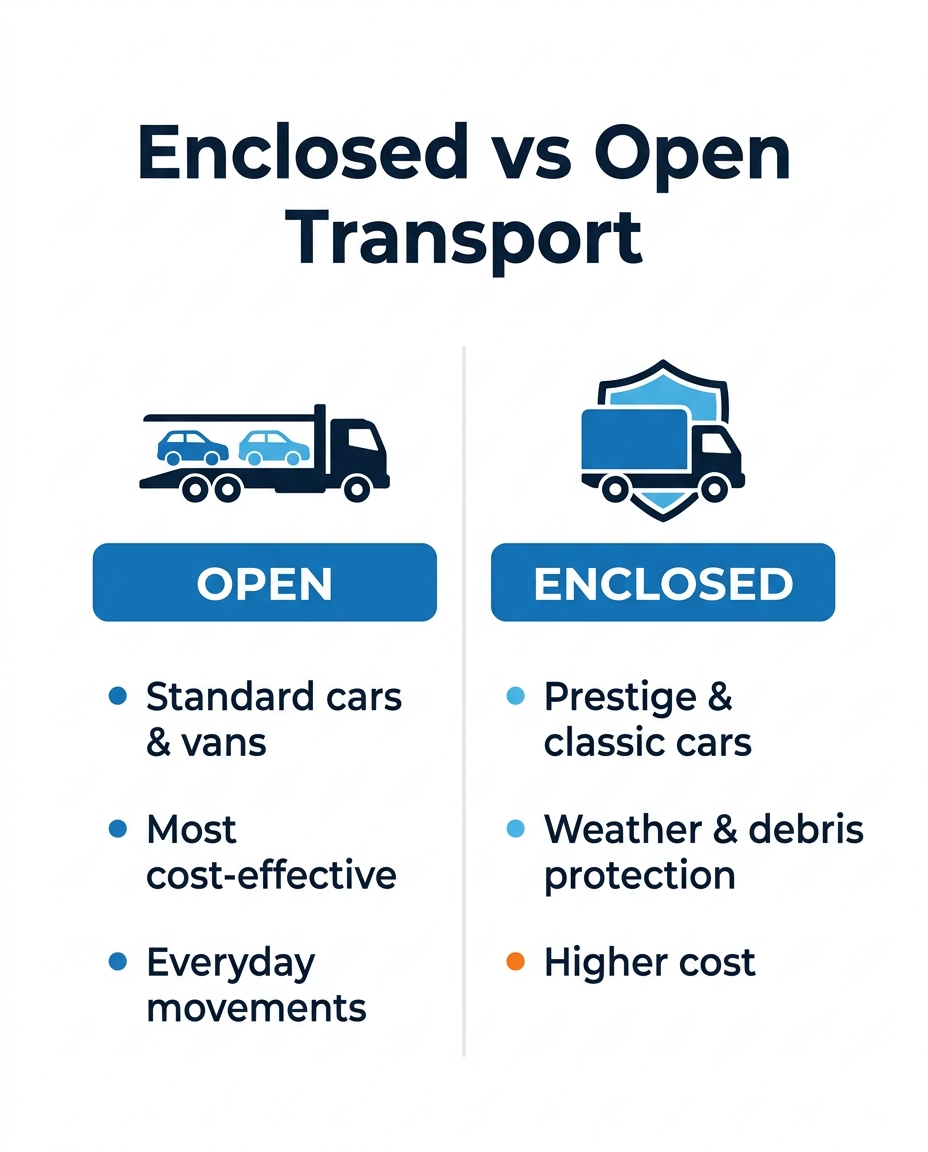
What open transport is
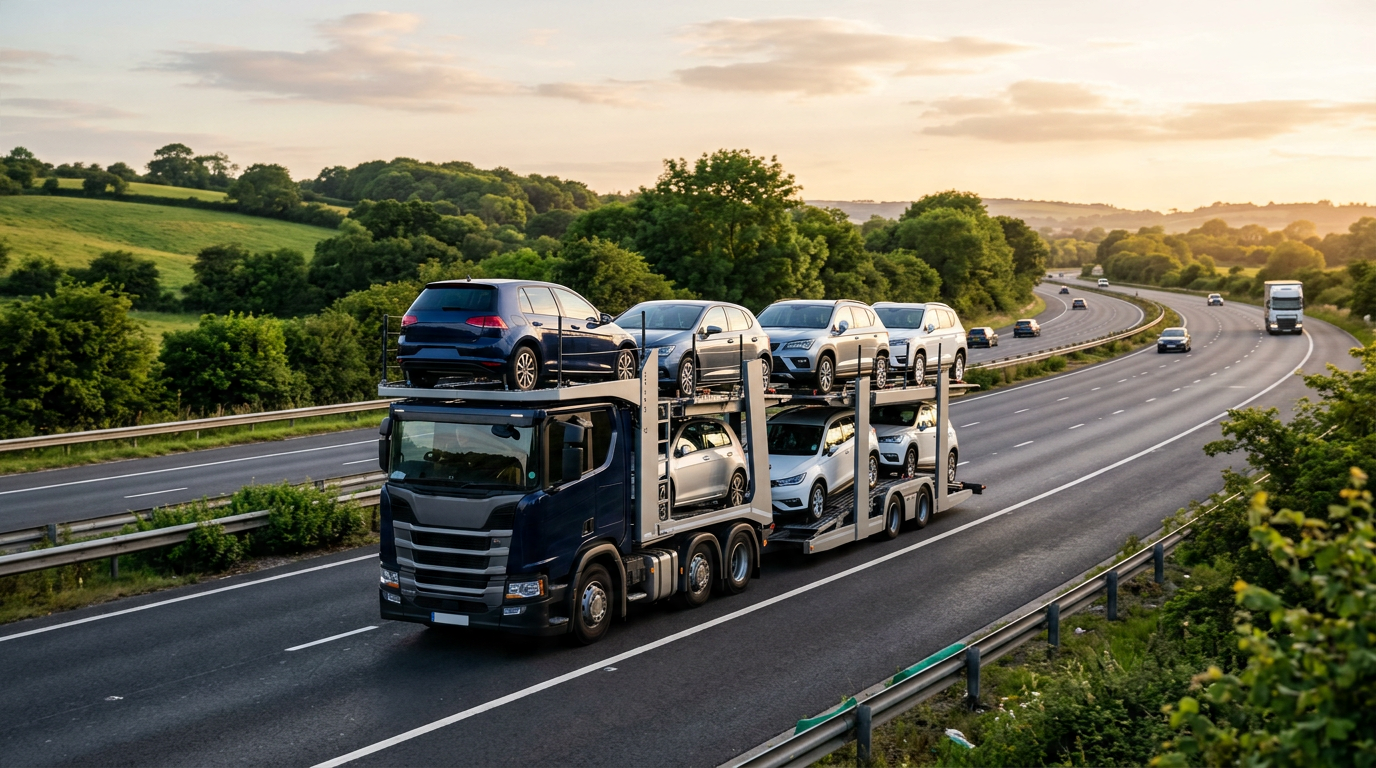
Open transport carries vehicles on a transporter that is exposed to the elements. It is the everyday standard for moving cars around the UK and is the most common form of transported delivery.
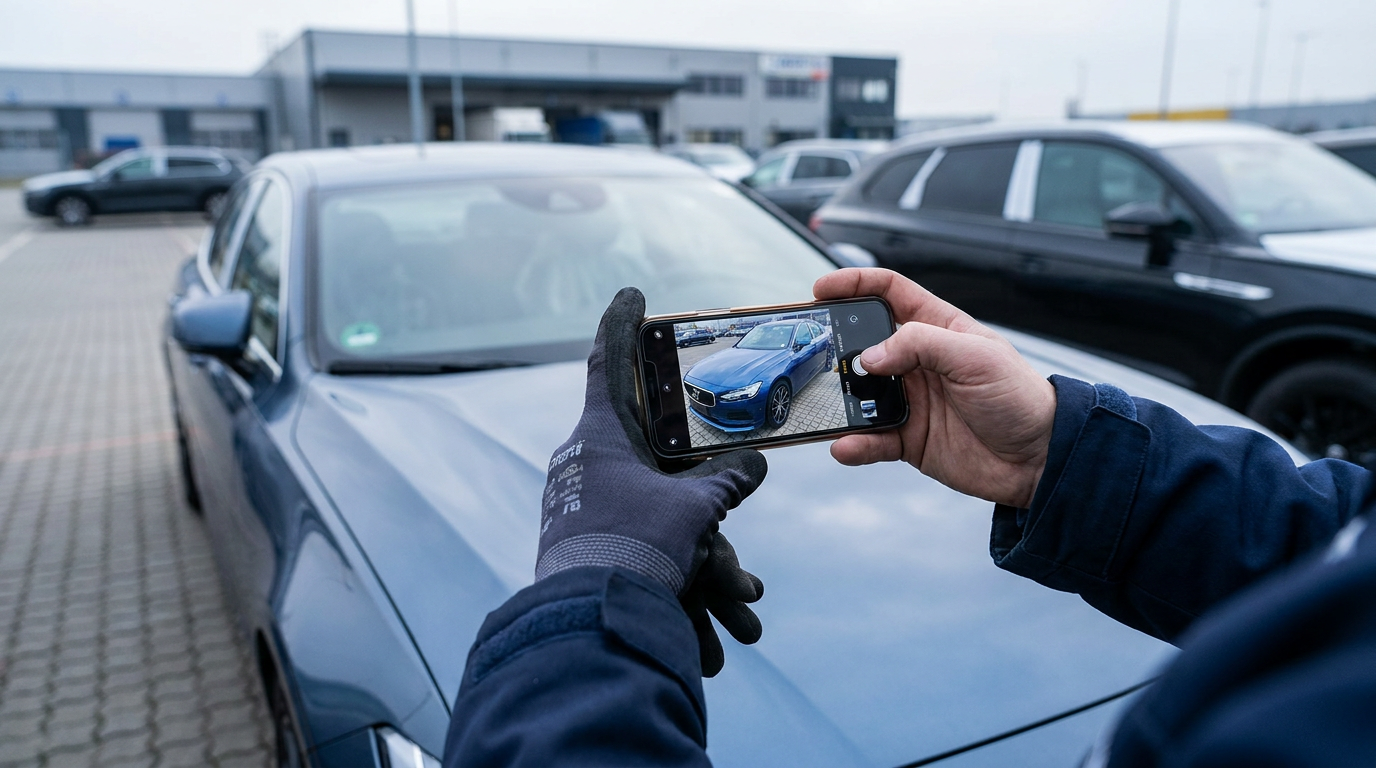
For the great majority of vehicles, open transport is perfectly suitable. The car is fully insured, secured properly for the journey, and covered by a photo condition report at both collection and delivery with instant proof of delivery.
Open transport suits
- Standard cars, vans and everyday vehicles
- Dealer stock and fleet movements
- Most vehicles where weather exposure during a single journey is not a concern
What enclosed transport is
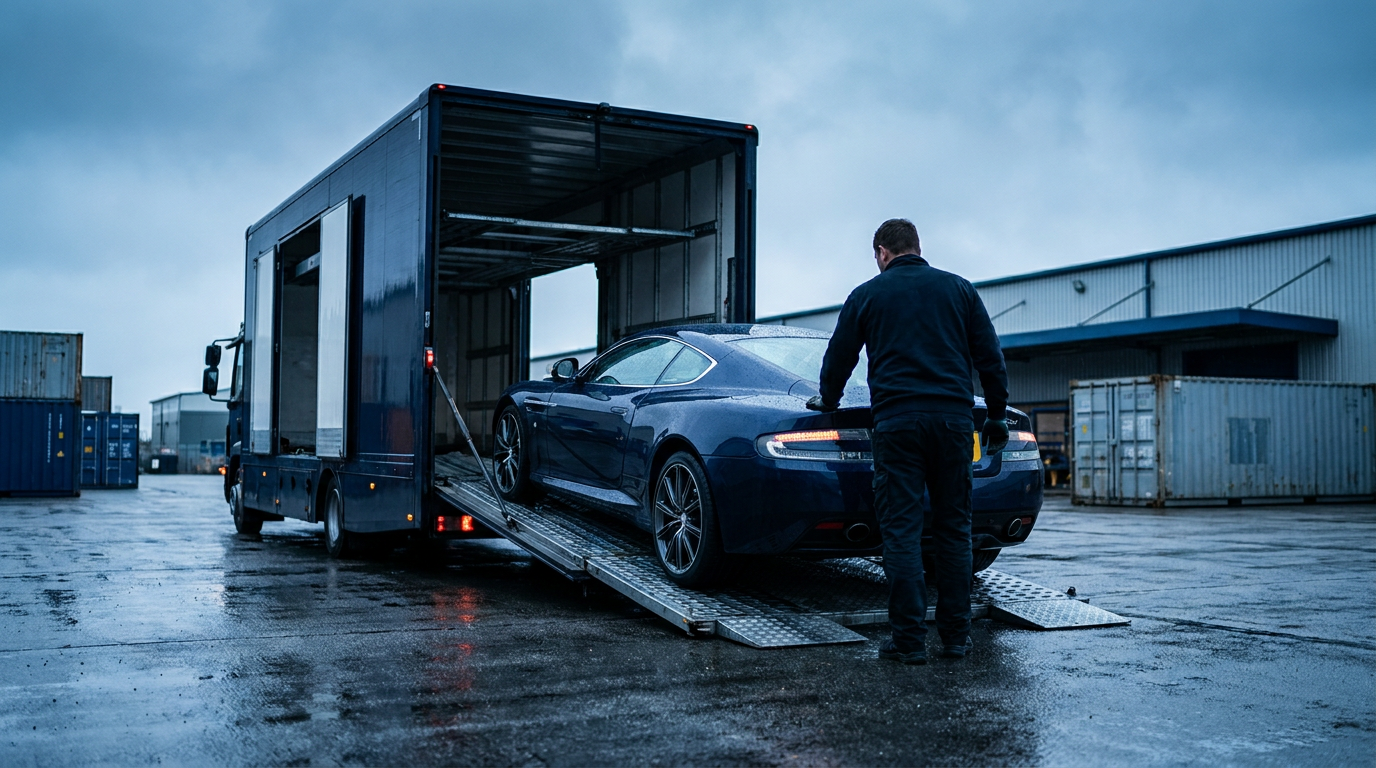
Enclosed transport, also called covered transport, carries the vehicle inside a closed body. The car is shielded from weather, road spray, dust and stone chips thrown up on the motorway, and it is kept out of public view.
This extra protection is why enclosed transport is the preferred choice for vehicles where appearance and condition are paramount.
Enclosed transport suits
- Prestige and luxury cars where paintwork and finish matter
- Performance and supercars, often with delicate bodywork
- Classic and collectible vehicles: see our dedicated classic car transport service
- Low-clearance vehicles that need careful, controlled loading
- High-value vehicles of any kind, where you want maximum protection and discretion
Why the protection matters
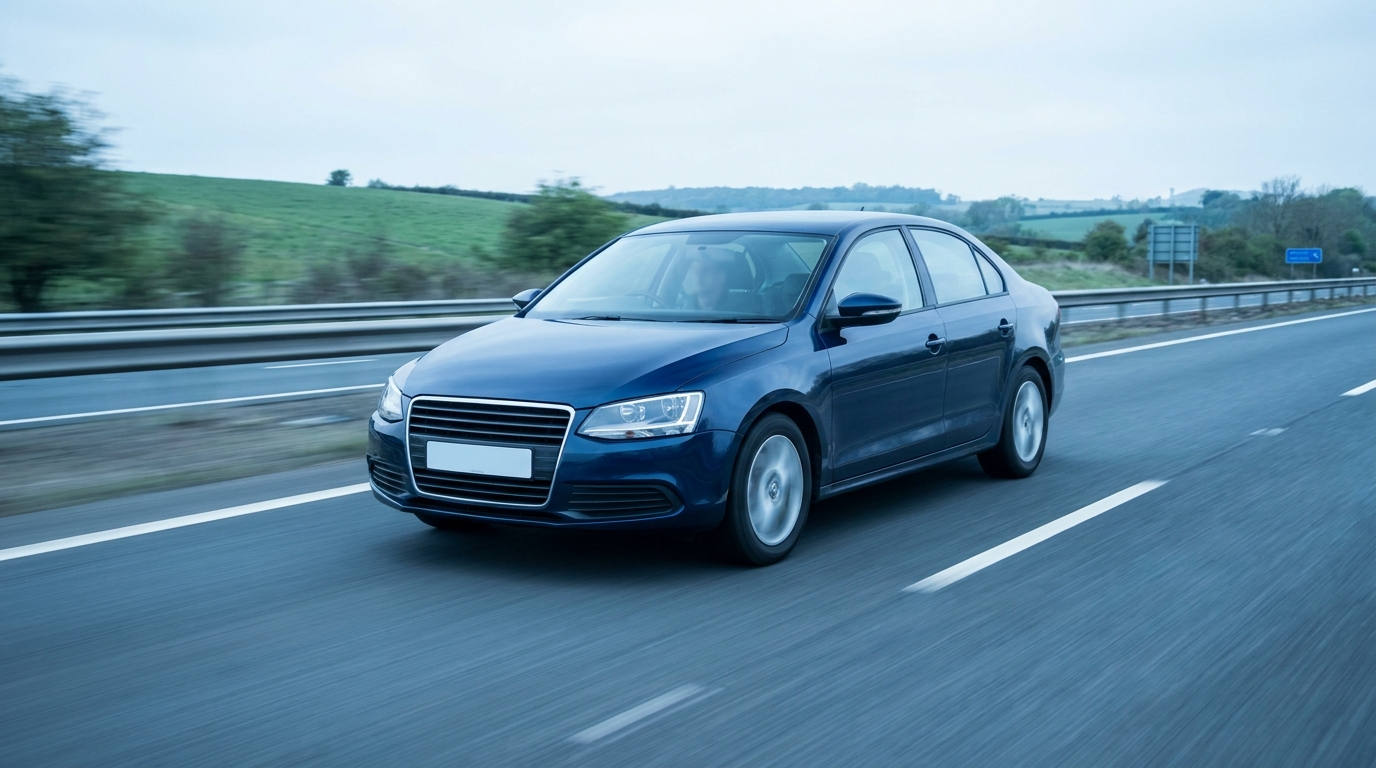
On a long motorway journey, an exposed car meets everything the road throws at it: rain, salt spray in winter, dust in summer, and grit or stone chips from other traffic. For an everyday car that is washed regularly, none of this is a problem. For a freshly detailed supercar, a show-condition classic, or a car with a delicate respray, even minor marks are worth avoiding.
Enclosed transport removes those risks by keeping the vehicle sealed away for the whole trip. It also keeps the car private, which owners of rare or high-value vehicles often value.
The cost trade-off
Enclosed transport involves specialist equipment and careful handling, so it generally costs more than open transport. The question is one of value and peace of mind:
- For a standard car, open transport gives you the protection you need at a sensible price.
- For a prestige, performance, classic or high-value car, the extra cost of enclosed transport is usually money well spent for the protection and discretion it provides.
We have moved vehicles at both ends of the scale, from everyday stock to a Bentley Bentayga and a restored Rover SD1, and we will give you an honest recommendation rather than upselling protection you do not need.
How to choose
A useful way to decide is to ask: would a stone chip, a wash-resistant mark, or a winter’s worth of road salt on this journey bother me? If the answer is no, open transport is the practical, economical choice. If the answer is yes, choose enclosed.
If you are unsure, tell us about the vehicle and we will advise. We are a member of the BVRLA and have been moving cars since 1990, so we know which method genuinely fits.
To talk it through and get one fixed price, request a quote at /quote, call 01455 632830, or email transport@mdmvehicles.co.uk.